


Designing High-Converting Multi-Channel Cadences

Designing High-Converting Multi-Channel Cadences: Effective Strategies for Prospecting and Sales Automation
In the competitive landscape of sales, designing high-converting multi-channel cadences is essential for effective prospecting and sales automation. This article will explore the intricacies of prospecting cadences, their significance in lead generation, and how multi-channel outreach can enhance sales engagement. Readers will learn about best practices for building effective sales cadences, the role of automation tools, and how to measure and improve performance. By understanding these strategies, sales teams can optimize their outreach efforts and increase conversion rates.
A well-structured prospecting cadence is crucial for sales success, as it ensures consistent and effective communication with potential clients. This article will delve into the definition of prospecting cadence, its role in lead generation, and the benefits of utilizing multi-channel outreach. Additionally, we will provide a step-by-step guide to designing automated outreach sequences and share examples of lead generation cadences across various channels.
What Is a Prospecting Cadence and Why Is It Crucial for Sales Success?
A prospecting cadence is a structured sequence of outreach activities designed to engage potential customers effectively. It typically includes various communication methods, such as emails, phone calls, and social media interactions, aimed at nurturing leads and guiding them through the sales funnel. The importance of a well-defined cadence lies in its ability to maintain consistent contact with prospects, ensuring that they remain engaged and informed throughout the buying process.
Effective prospecting cadences help sales teams to systematically follow up with leads, increasing the likelihood of conversion. By employing a strategic approach to outreach, sales professionals can better understand their prospects’ needs and tailor their messaging accordingly. This ultimately leads to improved sales performance and higher conversion rates.
Defining Prospecting Cadence and Its Role in Lead Generation
A prospecting cadence serves as a roadmap for sales teams, outlining the specific steps and timing for engaging with potential customers. It typically consists of a series of touchpoints, each designed to build rapport and provide value to the prospect. The role of a prospecting cadence in lead generation is to create a structured approach that maximizes the chances of converting leads into customers.
By defining a clear cadence, sales teams can ensure that they are consistently reaching out to prospects at the right intervals. This not only helps to keep the leads warm but also allows sales professionals to gather valuable insights about their prospects’ preferences and pain points. As a result, a well-defined prospecting cadence can significantly enhance the effectiveness of lead generation efforts.
Indeed, effective lead generation hinges on establishing and maintaining a robust lead database through strategic prospecting.
B2B Prospecting & Lead Generation Strategies
The primary objective of B2B prospecting is to establish and maintain a lead database through effective lead generation strategies. This process includes qualifying leads to determine their potential value and readiness for sales engagement.
The contribution of digital channels in prospecting new clients in the b2b, 2024
How Multi-Channel Outreach Enhances Sales Engagement
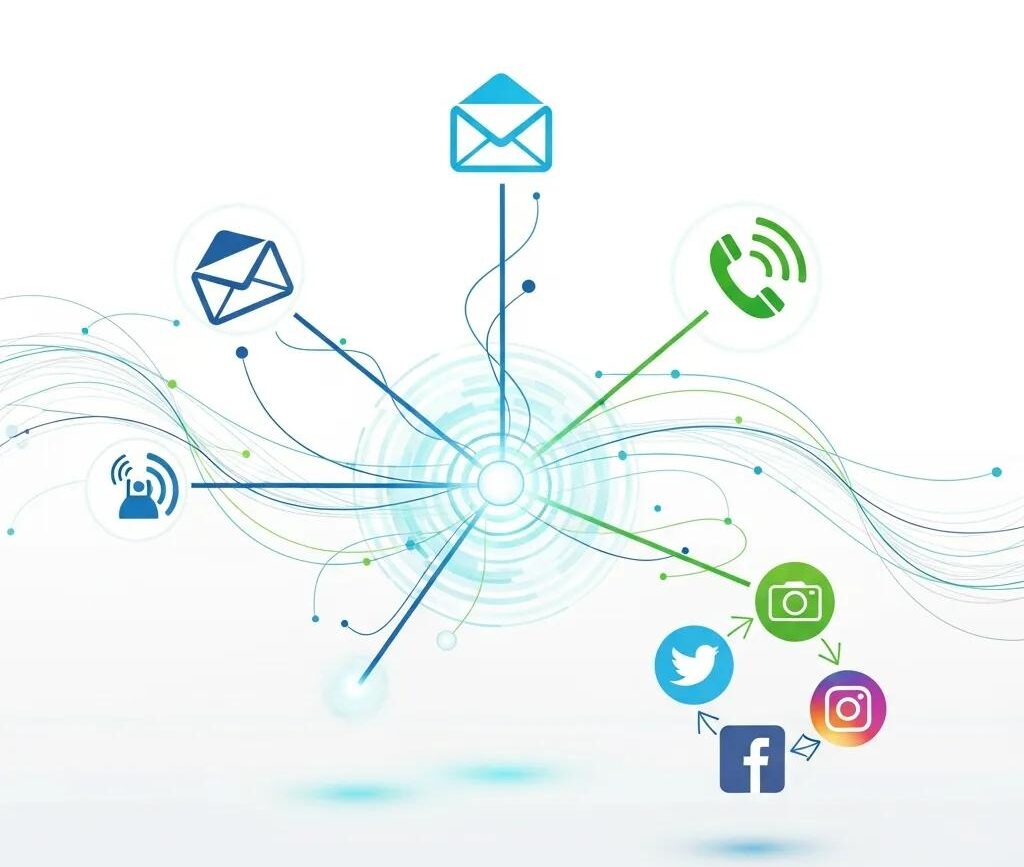
Multi-channel outreach refers to the practice of engaging prospects through various communication channels, such as email, phone, and social media. This approach enhances sales engagement by providing multiple touchpoints for interaction, allowing sales teams to connect with prospects in the manner that suits them best.
The benefits of multi-channel outreach include increased visibility, improved response rates, and a more personalized experience for prospects. By leveraging different channels, sales professionals can tailor their messaging to resonate with their audience, ultimately leading to higher engagement levels. Best practices for implementing multi-channel outreach include:
- Segmenting Your Audience: Tailor your messaging based on the specific needs and preferences of different segments.
- Coordinating Touchpoints: Ensure that your outreach efforts across channels are synchronized to provide a cohesive experience.
- Tracking Engagement: Monitor responses and interactions across channels to refine your approach and improve future outreach efforts.
How to Build Effective Multi-Channel Sales Cadences: Best Practices and Examples
Building effective multi-channel sales cadences requires a strategic approach that incorporates best practices and real-world examples. Here are some key steps to consider when designing your cadences:
- Define Your Goals: Establish clear objectives for your outreach efforts, such as increasing response rates or scheduling more meetings.
- Choose Your Channels: Select the most appropriate channels for your target audience, considering their preferences and behaviors.
- Create a Schedule: Develop a timeline for your outreach activities, ensuring that you maintain consistent contact without overwhelming your prospects.
- Personalize Your Messaging: Tailor your communication to address the specific needs and pain points of each prospect.
For instance, a successful cadence might include an initial email introduction, followed by a phone call a few days later, and a social media connection request. This multi-faceted approach helps to reinforce your message and keeps your brand top-of-mind for prospects.
Paywolf specializes in AI-powered lead generation and sales automation solutions tailored for B2B organizations, including SMBs, startups, enterprises, and RevOps teams. By leveraging advanced technology, Paywolf can help streamline your sales cadences and enhance your outreach efforts.
Step-by-Step Guide to Designing Automated Outreach Sequences
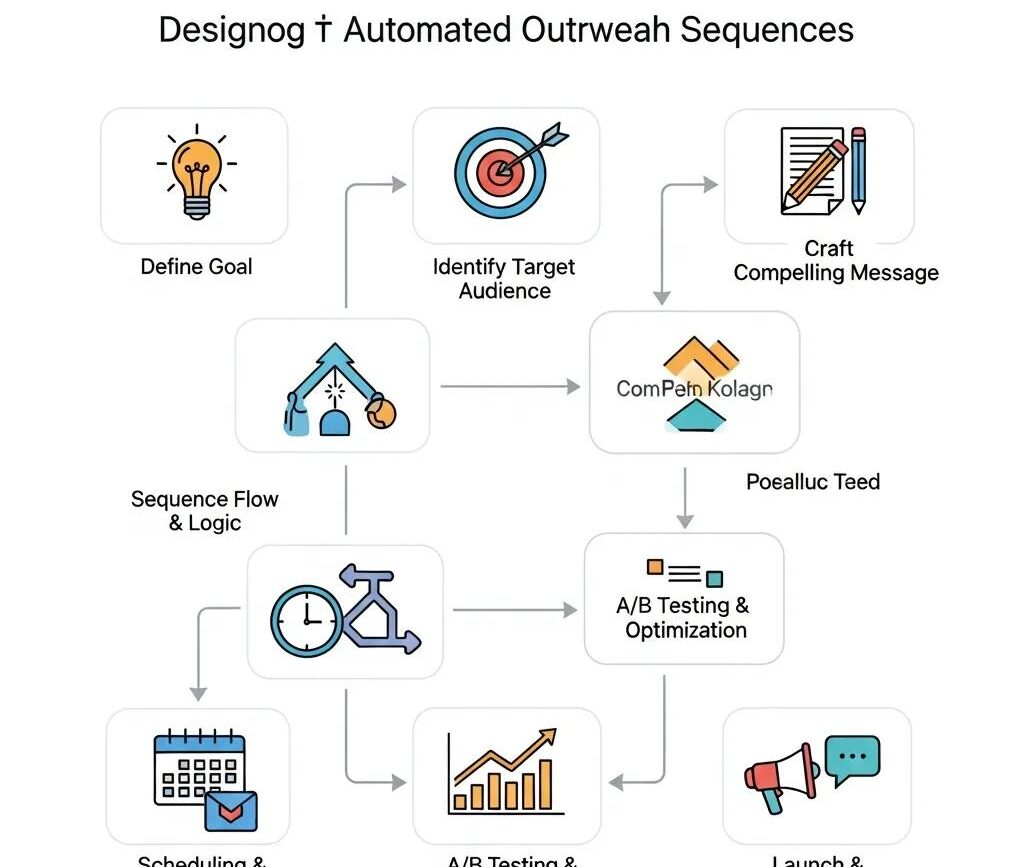
Designing automated outreach sequences involves creating a systematic approach to engage prospects without manual intervention. Here’s a step-by-step guide to help you get started:
- Identify Your Target Audience: Understand who your ideal customers are and what their needs entail.
- Map Out Your Cadence: Outline the sequence of touchpoints, including the timing and content for each interaction.
- Select Automation Tools: Choose the right software to automate your outreach efforts, ensuring it integrates seamlessly with your existing systems.
- Test and Optimize: Continuously monitor the performance of your automated sequences and make adjustments based on engagement metrics.
By following these steps, sales teams can create efficient outreach sequences that save time and improve overall effectiveness.
Lead Generation Cadence Examples Across Email, Phone, and Social Channels
To illustrate the effectiveness of multi-channel cadences, here are some examples of lead generation strategies across different channels:
| Channel | Example Cadence | Effectiveness |
|---|---|---|
| Initial email followed by a follow-up email after three days | High response rates due to timely follow-ups | |
| Phone | First call followed by a voicemail and a second call a week later | Increased engagement through direct contact |
| Social | Connection request followed by a personalized message after acceptance | Enhanced relationship building through social interactions |
These examples demonstrate how different outreach methods can be combined to create a comprehensive lead generation strategy. By understanding the effectiveness of each channel, sales teams can optimize their cadences for maximum impact.
What Are the Benefits of Sales Cadence Automation Tools in Optimizing Outreach?
Sales cadence automation tools offer numerous benefits that can significantly enhance outreach efforts. These tools streamline the process of managing and executing sales cadences, allowing sales teams to focus on building relationships with prospects. Key benefits include:
- Increased Efficiency: Automation reduces the time spent on manual tasks, enabling sales professionals to engage with more prospects.
- Consistent Messaging: Automated tools ensure that messaging remains consistent across all touchpoints, reinforcing brand identity.
- Data-Driven Insights: Automation tools provide valuable analytics that help sales teams understand engagement patterns and refine their strategies.
By leveraging automation tools, sales teams can optimize their outreach efforts and improve overall performance.
Leveraging AI-Powered Sales Automation for Higher Conversion Rates
AI-powered sales automation solutions can significantly enhance the effectiveness of sales cadences. These technologies analyze vast amounts of data to identify patterns and trends, enabling sales teams to make informed decisions about their outreach strategies. The role of AI in sales automation includes:
- Predictive Analytics: AI can forecast which leads are most likely to convert, allowing sales teams to prioritize their efforts.
- Personalization: AI-driven tools can tailor messaging based on individual prospect behavior, increasing the likelihood of engagement.
- Performance Tracking: AI can monitor the effectiveness of sales cadences in real-time, providing insights for continuous improvement.
By integrating AI into their sales processes, organizations can achieve higher conversion rates and more effective prospecting.
Integrating Sales Automation Software into Revenue Operations Workflows
Integrating sales automation software into revenue operations workflows is essential for maximizing efficiency and effectiveness. This integration allows sales teams to streamline their processes and ensure that all aspects of the sales cycle are aligned. Key considerations for successful integration include:
- Alignment with Business Goals: Ensure that the automation tools support the overall objectives of the organization.
- Training and Support: Provide adequate training for sales teams to effectively utilize the automation software.
- Continuous Improvement: Regularly assess the performance of the integrated systems and make necessary adjustments to optimize workflows.
By effectively integrating sales automation software, organizations can enhance their revenue operations and drive better results.
This integration is further strengthened by the ability of automation tools to unify customer, sales, and marketing data, providing a holistic view for data-driven decisions.
Sales Automation with CRM & ERP Analytics
Integrating CRM and ERP systems with automation tools allows businesses to unify customer, sales, and marketing data, providing a holistic view of the customer journey. Automation tools integrated with CRM and ERP systems enable real-time analytics and reporting, empowering sales teams to make data-driven decisions.
Emerging Trends in Sales Automation and Software Development for Global Enterprises, 2025
How Can You Measure and Improve the Performance of Your Sales Cadences?
Measuring the performance of sales cadences is crucial for identifying areas of improvement. Key performance indicators (KPIs) to track include:
- Response Rates: Monitor the percentage of prospects who respond to outreach efforts.
- Conversion Rates: Analyze the percentage of leads that ultimately convert into customers.
- Engagement Metrics: Assess the level of interaction with prospects across different channels.
By regularly reviewing these metrics, sales teams can identify trends and make data-driven decisions to enhance their cadences.
Key Metrics for Evaluating Cadence Effectiveness and Conversion
To evaluate the effectiveness of sales cadences, it is essential to track specific metrics that provide insights into performance. Key metrics include:
- Open Rates: The percentage of emails opened by recipients, indicating the effectiveness of subject lines and timing.
- Click-Through Rates: The percentage of recipients who click on links within emails, reflecting the relevance of the content.
- Follow-Up Success: The rate at which follow-up communications lead to further engagement or conversions.
By analyzing these metrics, sales teams can refine their strategies and improve overall cadence effectiveness.
Using Analytics to Refine Multi-Channel Prospecting Strategies
Analytics play a vital role in refining multi-channel prospecting strategies. By leveraging data, sales teams can gain insights into prospect behavior and preferences, allowing for more targeted outreach. Key aspects of using analytics include:
- Identifying Trends: Analyze engagement patterns to determine which channels and messaging resonate most with prospects.
- A/B Testing: Experiment with different approaches to identify the most effective strategies for engagement.
- Feedback Loops: Incorporate feedback from prospects to continuously improve outreach efforts.
By utilizing analytics, sales teams can enhance their prospecting strategies and drive better results.
The importance of comprehensive evaluation for multi-channel efforts is further underscored by research highlighting the necessity of statistical analyses to measure campaign performance.
Multi-Channel Campaign Performance Metrics
Statistical analyses to measure multi-channel campaign performance are crucial. Relying on a single channel without multi-channel integration lacked comprehensive evaluation by summarizing key performance metrics and providing actionable insights.
Statistical Methods Evaluating Multi-Channel Marketing Campaign Effectiveness Across Different Industries, OF Akinlade, 2023
