


Verified Data Sources and Coverage Matrix
Verified Data Sources and Coverage Matrix: How AI-Powered Platforms Enhance Lead Generation Accuracy and Industry Insights
In the realm of lead generation, the accuracy and reliability of data sources are paramount. Verified data sources play a crucial role in ensuring that businesses can effectively target their marketing efforts and optimize their sales processes. This article delves into the significance of verified data sources and how AI-powered platforms, like those offered by Paywolf, enhance lead generation accuracy and provide valuable industry insights. Readers will learn about the mechanisms behind data verification, the importance of a coverage matrix, and how businesses can leverage these insights for improved outcomes. The discussion will cover various aspects, including the types of verified data sources, the tools used for verification, and the industries that benefit from these insights.
What Are Verified Data Sources and Why Do They Matter for Lead Generation?
Verified data sources refer to databases or information repositories that have undergone rigorous validation processes to ensure their accuracy and reliability. These sources are essential for lead generation as they provide businesses with trustworthy information about potential customers, enabling targeted marketing strategies. The significance of verified data lies in its ability to enhance lead quality, reduce wasted marketing efforts, and ultimately drive higher conversion rates. By utilizing verified data, companies can make informed decisions that lead to more effective sales processes and improved customer engagement.
How Do Data Source Verification Tools Ensure Data Reliability?
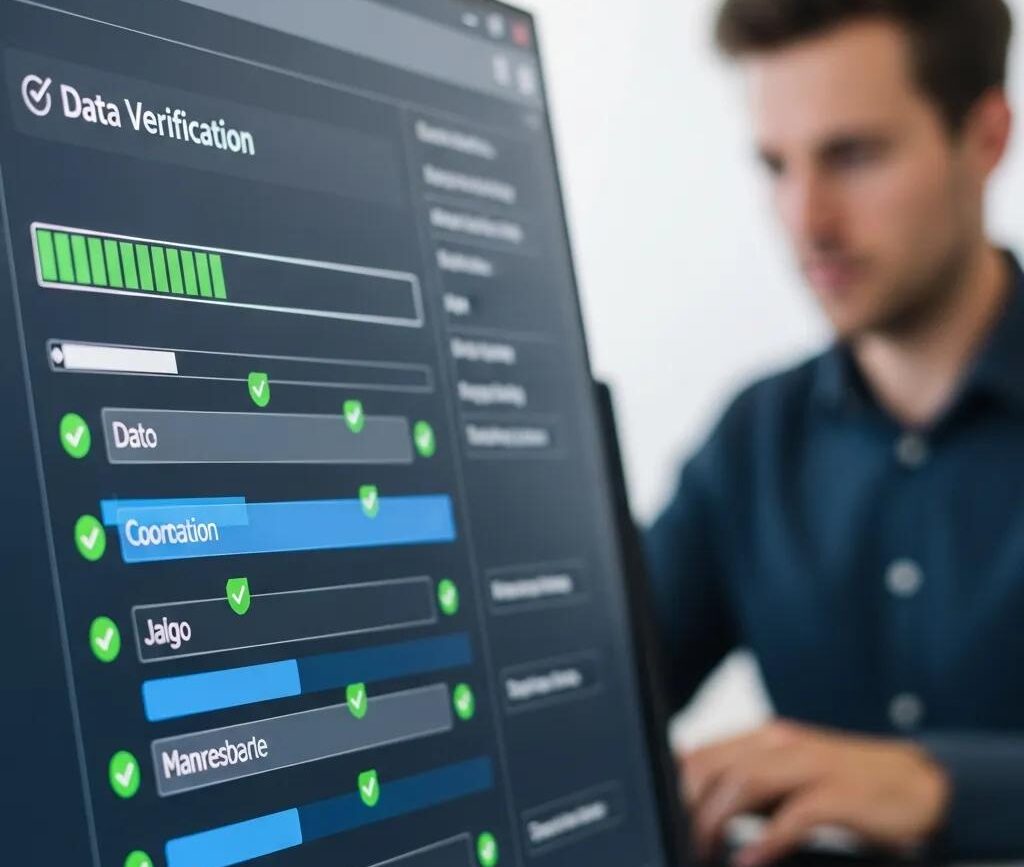
Data source verification tools employ various methodologies to ensure the reliability of the information they provide. These tools typically utilize algorithms and manual checks to cross-reference data against multiple sources, ensuring consistency and accuracy. The verification process often includes validating contact information, checking for duplicates, and assessing the credibility of the data source itself. By implementing these verification tools, businesses can significantly reduce the risk of using outdated or incorrect information, which can lead to ineffective marketing campaigns and lost sales opportunities.
Which Lead Generation Data Providers Offer Verified Information?
Several lead generation data providers specialize in offering verified information to businesses. These providers utilize advanced technologies and methodologies to ensure the accuracy of their data. Some of the top providers include:
- Paywolf: Specializes in AI-powered lead generation and sales automation solutions, integrating multiple verified data sources for comprehensive insights.
- ZoomInfo: Offers a vast database of verified business contacts and company information, enabling targeted outreach.
- LinkedIn Sales Navigator: Provides access to a network of professionals with verified profiles, enhancing lead quality.
These providers are instrumental in helping businesses access reliable data that can drive their marketing and sales efforts.
How Does the Industry Data Coverage Matrix Help Identify Best Data Sources?
The industry data coverage matrix is a valuable tool that helps businesses identify the best data sources for their specific needs. This matrix provides a visual representation of the coverage offered by various data providers across different industries. By analyzing the matrix, companies can determine which sources offer the most comprehensive and relevant data for their target markets. The coverage matrix not only highlights the strengths and weaknesses of each provider but also assists businesses in making informed decisions about where to invest their resources for lead generation.
| Data Provider | Industry Coverage | Verification Method |
|---|---|---|
| Paywolf | Multiple | AI algorithms |
| ZoomInfo | B2B | Manual checks |
| Professional | User verification |
This table illustrates how different data providers utilize various verification methods to ensure the reliability of their information, helping businesses choose the right sources for their lead generation efforts.
What Industries Are Covered in a Typical Data Coverage Matrix?
A typical data coverage matrix encompasses a wide range of industries, reflecting the diverse needs of businesses seeking verified data. Common industries covered include:
- Technology: Providing insights into software companies, IT services, and tech startups.
- Healthcare: Offering data on medical professionals, healthcare providers, and pharmaceutical companies.
- Finance: Covering banks, investment firms, and insurance companies.
Understanding the industries represented in the coverage matrix allows businesses to tailor their lead generation strategies effectively, ensuring they target the right audience with relevant information.
How to Interpret Coverage Percentages and Verification Status in the Matrix?
Interpreting coverage percentages and verification status in the matrix is crucial for businesses looking to assess the reliability of their data sources. Coverage percentages indicate the extent to which a provider’s data encompasses a particular industry or demographic. A higher percentage typically signifies a more comprehensive data set. Verification status, on the other hand, indicates the level of confidence in the accuracy of the data, often categorized as verified, partially verified, or unverified. By understanding these metrics, businesses can make informed decisions about which data sources to utilize for their lead generation efforts.
For example, a provider with a coverage percentage of 85% and a verification status of “verified” would be considered a strong candidate for businesses seeking reliable data.
For those seeking to enhance their lead generation efforts, Paywolf’s platform integrates multiple verified data sources, providing comprehensive insights that can significantly improve targeting and conversion rates.
In What Ways Do AI Lead Generation Platforms Integrate Verified Data Sources?

AI lead generation platforms integrate verified data sources through advanced algorithms and machine learning techniques. These platforms analyze vast amounts of data to identify patterns and trends that can inform marketing strategies. By leveraging verified data, AI platforms can enhance lead scoring, ensuring that sales teams focus on the most promising prospects. Additionally, these platforms often provide real-time updates, ensuring that businesses have access to the most current information available. This integration not only improves the efficiency of lead generation efforts but also enhances the overall quality of leads generated.
This integration often involves sophisticated methods for combining diverse data types into a unified analytical framework, as detailed in recent studies.
AI-Driven Multimodal Data Integration for Enterprise Analytics
The following paper suggests an AI-driven multimodal data integration layout that integrates these disparate sources into a controlled semantic layer to be used in comprehensive enterprise analytics. The strategy standardizes ingestion (batch, CDC, and streaming), uses modality-specific encoders (time-series models of ledgers and telemetry, layout-aware document/vision models of PDFs and images, and NLP of text), and integrates outputs through an enterprise ontology and knowledge graph.
AI-Powered Multimodal Data Integration in ERP Systems for Holistic Enterprise Analytics, EP Nittala, 2024
How Does AI Improve Sales Automation Data Coverage and Lead Quality?
AI plays a pivotal role in improving sales automation data coverage and lead quality. By utilizing machine learning algorithms, AI can analyze historical data to identify the characteristics of high-quality leads. This analysis allows businesses to refine their targeting strategies, ensuring that they focus on prospects most likely to convert. Furthermore, AI can automate the process of data collection and verification, significantly reducing the time and resources required for lead generation. As a result, businesses can achieve higher conversion rates and improved sales outcomes.
What Are the Benefits of AI-Powered Lead Qualification Using Verified Data?
AI-powered lead qualification offers several benefits when utilizing verified data. These benefits include:
- Increased Efficiency: Automation of lead qualification processes saves time and resources.
- Enhanced Accuracy: Verified data ensures that sales teams focus on high-quality leads, reducing wasted efforts.
- Improved Conversion Rates: Targeting the right prospects leads to higher chances of successful sales.
By leveraging AI and verified data, businesses can streamline their lead qualification processes and achieve better results.
Further research highlights how AI, through advanced algorithms like Natural Language Processing and Reinforcement Learning, can significantly optimize sales automation workflows and enhance lead qualification.
AI for Sales Automation: Enhancing Lead Qualification & Conversion
This research paper explores the optimization of sales automation workflows through the integration of Artificial Intelligence, focusing specifically on Natural Language Processing (NLP) and Reinforcement Learning (RL) algorithms. The study begins by identifying the inherent challenges in traditional sales processes, such as inefficiencies in lead qualification and customer engagement, which often impede revenue growth. By leveraging NLP, the paper demonstrates how AI can enhance the comprehension of customer intent through analysis of textual data, thus enabling more personalized and timely interactions. The research further employs RL algorithms to adaptively refine sales strategies based on dynamic customer behavior and market conditions, allowing real-time decision-making that maximizes conversion rates.
Optimizing sales automation workflows with AI: Leveraging natural language processing and reinforcement learning algorithms, 2023
How Can SMBs, Startups, and Enterprises Leverage Verified Data and Coverage Insights?
Small and medium-sized businesses (SMBs), startups, and enterprises can all benefit from leveraging verified data and coverage insights. For SMBs, access to reliable data can level the playing field against larger competitors, enabling targeted marketing efforts that drive growth. Startups can utilize verified data to identify potential customers and refine their product offerings based on market insights. Enterprises, on the other hand, can enhance their lead generation strategies by integrating verified data into their existing systems, ensuring that their sales teams have access to the most accurate information available.
What Use Cases Demonstrate Effective Sales Automation with Verified Data?
Several use cases illustrate the effectiveness of sales automation when combined with verified data. For instance:
- Targeted Email Campaigns: Businesses can use verified data to create personalized email campaigns that resonate with specific customer segments.
- Lead Scoring: By integrating verified data into lead scoring models, companies can prioritize their outreach efforts based on the likelihood of conversion.
- Market Research: Verified data can inform market research efforts, helping businesses understand industry trends and customer preferences.
These use cases demonstrate how verified data can enhance sales automation processes, leading to improved outcomes.
How Do Cybersecurity Professionals Address Data Coverage Challenges?
Cybersecurity professionals face unique challenges when it comes to data coverage. Ensuring the accuracy and reliability of data is critical in preventing security breaches and protecting sensitive information. To address these challenges, cybersecurity experts often employ advanced verification tools and methodologies to assess the integrity of their data sources. Additionally, they may collaborate with data providers to ensure that the information used in their systems is up-to-date and accurate. By prioritizing verified data, cybersecurity professionals can enhance their overall security posture and mitigate risks associated with data breaches.
Conclusion
Utilizing verified data sources significantly enhances lead generation accuracy and provides businesses with valuable insights for targeted marketing. By integrating AI-powered platforms, companies can streamline their sales processes and improve conversion rates through reliable information. Embracing these advanced tools not only optimizes marketing efforts but also empowers businesses to make informed decisions. Discover how our solutions can elevate your lead generation strategy today.

Elad Rabi
Paywolf is a B2B lead generation company that builds data-driven sales pipelines and custom AI-powered outbound systems to generate qualified meetings and predictable revenue at scale.